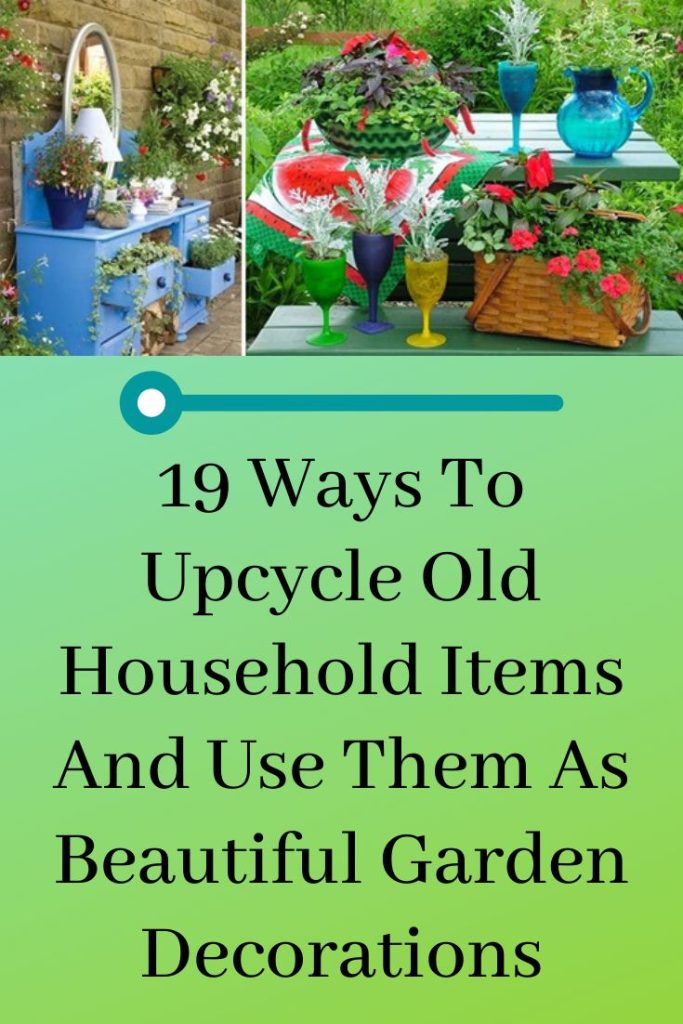
Upcycling old items for a beautiful home is a fantastic way to create a unique and stylish living space while embracing sustainability. Imagine transforming a chipped teacup into a chic centerpiece or breathing new life into a weathered wooden crate. Upcycling encompasses the process of creatively transforming discarded or unwanted items into something new and valuable. This approach goes hand-in-hand with reducing waste and promotes a more sustainable lifestyle in the home. Many people struggle with the challenge of decluttering, and not knowing what to do with unwanted items. The solution lies in upcycling, and in this article, we’ll delve into a variety of techniques and inspiring examples to revitalize your old items and transform them into beautiful home decor. This article will take you through several key areas—from choosing the right items to finding creative inspiration, and culminating in tips for sustainable and beautiful outcomes.
Choosing the Right Items for Upcycling
Assessing Item Condition
When embarking on a journey of transforming old items into new décor, it’s vital to assess the current condition of the item. A chipped teacup can be transformed into a striking centerpiece; a weathered wooden crate can become a unique storage solution. Evaluate the potential for repair or improvement based on the item’s existing state. This evaluation will help to determine the feasibility of the upcycling project and to determine any necessary steps to restore it to a presentable state. Consider factors such as damage, wear, and tear to effectively assess its potential.
Finding Inspiration
Inspiration is key to unlocking the creative potential within old items. Explore online resources like Pinterest, Instagram, and other blogs dedicated to upcycling for a wealth of ideas and ideas. Look for creative inspiration from professional designers or explore home improvement websites for trending decor themes and ideas. study varied upcycling projects related to old furniture or other items, and look at various materials that can be used. Keep an eye on current trends to understand the designs that are popular and which will enhance the upcycled item.
Transforming Old Furniture
Repurposing Wooden Furniture
Old wooden furniture can be transformed into unique and stylish pieces. For example, a weathered wooden dresser can be repainted in a bold color or adorned with decoupage techniques. A chipped or cracked wooden piece can be repaired with wood filler or sanding, enabling its reuse. This furniture can then be repainted, waxed, or stained to revitalize its look and add a personalized touch to any room. Check out home décor blogs for creative ideas. Upcycling wooden furniture creates a personalized, durable, and sustainable approach to home decor.
Embracing Creative Techniques
Creative techniques can breathe new life into vintage or antique furniture, transforming it into contemporary pieces. Sanding, staining, painting, and decoupage are just some of the techniques that can be used to give old pieces a fresh look. For instance, a vintage dresser could be transformed with decoupage using magazine clippings or fabric scraps to give it an artistic touch. Explore online resources for detailed instructions and tutorials on implementing these techniques, ensuring smooth transitions and avoiding unnecessary complexity.
Creative Decor Ideas with Everyday Items
Upcycling Glassware
Transform old glassware into functional and decorative items. Consider using chipped teacups or vintage glasses to make beautiful candleholders, stunning terrariums, or unique display pieces. Repurpose old bottles into vases or use old jars to create rustic-style storage solutions. These are budget-friendly and often create a unique and attractive focal point in the home. In the case of glass, consider the potential for creating beautiful light-catching displays, and keep safety measures in mind. Utilize these techniques to create unique home decor with a distinctive look.
Crafting with Metal Items
Old metal items, like tins, can be creatively repurposed into unique storage solutions. Use them to organize and store small items like jewelry, spices, or toiletries. Paint them, decorate them with decoupage, or add handles and latches to give them a fresh new look. Explore various options and create storage solutions for personal items.
Sustainable Upcycling Practices
Prioritizing Repurposing
Prioritizing repurposing over discarding is crucial for sustainable upcycling. Consider donating or selling items before resorting to discarding them. This can offer an chance for another person to use them and make them useful. Upcycling reduces waste and demonstrates environmental consciousness, reducing carbon footprints and material consumption. This creates a cycle that benefits both the environment and the community.
Utilizing Eco-Friendly Materials
Embrace eco-friendly materials whenever possible when upcycling. Use sustainable materials and eco-friendly paints or finishes. Consider using reclaimed wood, repurposed fabrics, or natural dyes to create beautiful and sustainable décor. These choices not only add unique character but also contribute to a more eco-conscious lifestyle in the home.
Creating Unique Art Pieces
Transforming Textiles
Transform old textiles into unique wall hangings, table runners, or decorative pillows. Consider using old clothes, scarves, or linens. Old fabrics can be transformed into beautiful tapestries, or combined with other upcycled items to make a piece that tells a story. The key is to be creative and experiment. Create a sense of narrative by combining items and combining styles to add a personal touch to your home.
Incorporating Found Objects
Incorporate unique found objects into your upcycling projects. Collect interesting items like old keys, buttons, or vintage postcards. Incorporate them into your art projects or use them as accents in your upcycled home décor.
In conclusion, upcycling old items for a beautiful home is a rewarding and sustainable practice that brings unique character to your living space. By embracing creativity and resourcefulness, you can transform discarded objects into stunning décor, reducing waste and adding a personal touch. Follow the steps outlined in this article to get started on your upcycling journey and embrace the beauty and value hidden within pre-loved items. Remember to prioritize safety and proper handling techniques when working with various materials. Ready to transform your home? Explore more inspiring upcycling ideas on [website URL].