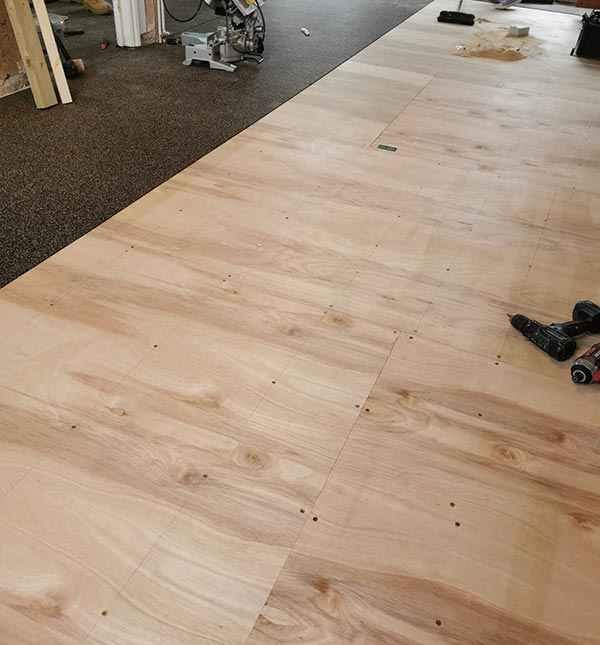
Subfloor preparation is the cornerstone of a achievementful and lasting flooring project. A poorly prepared subfloor can lead to numerous issues, ranging from uneven floors to premature damage. Subfloor preparation involves the crucial steps required to create a stable, level, and dry surface ready to support your chosen flooring. This article tackles the critical facets of subfloor preparation, highlighting common problems and providing thorough solutions for a flawless and long-lasting floor. We’ll delve into various crucial facets such as leveling, moisture control, and defect remediation. This thorough guide will take you through the entire process—from determineing issues to completing the final prep steps. This guide will ensure you understand how to select suitable materials and carry out the tasks needed for a durable, beautiful floor.
Understanding the Importance of a Sound Subfloor
Laying the Foundation for a Beautiful Floor
A well-prepared subfloor is the crucial foundation upon which a beautiful and lasting floor is built. A poorly prepared subfloor can lead to various problems, such as squeaking, unevenness, and premature damage to the finished flooring. Ignoring subfloor preparation can lead to significant headaches down the road, increasing the risk of costly repairs and floor replacements. This step requires careful attention to detail and the use of appropriate materials and techniques. Proper subfloor preparation not only ensures the longevity of the flooring but also significantly enhances the overall aesthetic appeal of the space.
Common Subfloor Issues
Many factors can contribute to issues with subfloors. Common problems include uneven surfaces, moisture issues, or the presence of structural defects. An uneven subfloor can lead to an uneven final floor, causing tripping hazards or uncomfortable walking sensations. Moisture problems, whether from leaks or poor ventilation, can cause mold growth or warping of the subfloor materials, ultimately affecting the flooring above. Structural defects, such as cracks or sagging areas, can create instability and compromise the structural integrity of the entire floor system. By proactively addressing these issues, you can prevent more significant problems and ensure a flawless installation.
Leveling the Subfloor
Essential Considerations for a Stable Surface
Leveling is a critical facet of subfloor preparation. An uneven subfloor can cause significant problems, from an uneven final floor surface to premature damage to your chosen flooring. Precise leveling ensures a stable foundation for your flooring installation, reducing the risk of squeaks, pops, and other annoying issues. Using appropriate leveling materials, such as self-leveling compounds or shims, is essential for achieving a perfect flat surface.
determineing and Addressing Uneven Areas
Carefully inspect the subfloor for any unevenness or dips. Use a straightedge or a level to pinpoint areas that need attention. varied techniques apply to varied types of subfloors; consider using shims, self-leveling compounds, or other suitable materials to address these areas. Consult with a flooring professional for guidance on the most appropriate leveling solutions for your specific subfloor condition. Take care to ensure that the leveling compound is properly applied and allowed sufficient drying time to prevent further issues.
Moisture Control and Drainage
Preventing Water Damage and Mold Growth
Moisture control is paramount in subfloor preparation. Moisture issues in a subfloor can significantly damage your flooring and cause structural problems. Excess moisture can lead to mold growth, warping of the subfloor materials, and boostd risk of mildew and other undesirable issues. Addressing moisture concerns is critical to ensure the longevity and functionality of your flooring.
Implementing Effective Moisture Solutions
Implement effective moisture control measures by addressing any sources of moisture ingress. determine and repair any leaks or plumbing issues. Ensure adequate ventilation in the area, and consider using moisture barriers to prevent moisture transfer from the ground up. Using moisture meters can help in determining the presence and severity of moisture issues. Implementing proper drainage systems around the subfloor area will prevent moisture buildup and create a healthy environment for your finished flooring.
Preparing and Repairing Defects
Addressing Structural and Material Issues
Inspect the subfloor carefully for structural defects and damage. Common defects include cracks, holes, or rotting wood. Addressing these issues prevents future problems. For example, a weak subfloor can cause excessive squeaking or creaking in the finished floor. Repairing and reinforcing these areas ensures a strong, stable foundation, prolonging the life of your finished floor. Thorough investigation and repair are essential for achieving a flawless installation.
Solutions for Various Subfloor Issues
For structural defects such as cracks or sagging, reinforcing the area is essential. Consider using concrete patching or structural supports as appropriate. If the subfloor is made of wood, repair any rotted or damaged areas. Consult with a professional if the subfloor has significant damage, and they can offer valuable insights into the ideal repairs. Utilizing the correct materials for specific subfloor conditions is crucial.
selecting Appropriate Subfloor Materials
Choosing the Right Material for Your Project
Choosing the right subfloor material for your flooring project is crucial. varied flooring types require varied subfloor types. For example, hardwood floors need a solid, stable subfloor, while tile floors often benefit from a level concrete subfloor. Carefully considering the materials and their specifications is essential for a seamless installation.
Material Considerations and Recommendations
Ensure the subfloor materials are compatible with the selected flooring type. For instance, a plywood subfloor might be suitable for certain types of wood flooring, while a concrete subfloor might be more appropriate for tile or laminate installations. Check with flooring installers or professionals for recommendations on the appropriate subfloor material for your chosen flooring type, considering factors such as moisture resistance, structural support, and cost-efficacy.
In conclusion, meticulous subfloor preparation is paramount to achieving a flawless and durable floor installation. By addressing potential issues, ensuring proper leveling and drainage, and utilizing suitable materials, homeowners and contractors can significantly improve the longevity and aesthetic appeal of their floors. This detailed guide has offerd practical steps and considerations, guiding you towards a perfect subfloor that will support a beautiful, long-lasting floor. For further assistance or specific querys, please feel complimentary to consult a professional flooring installer. Remember, a strong foundation creates a strong, beautiful floor.