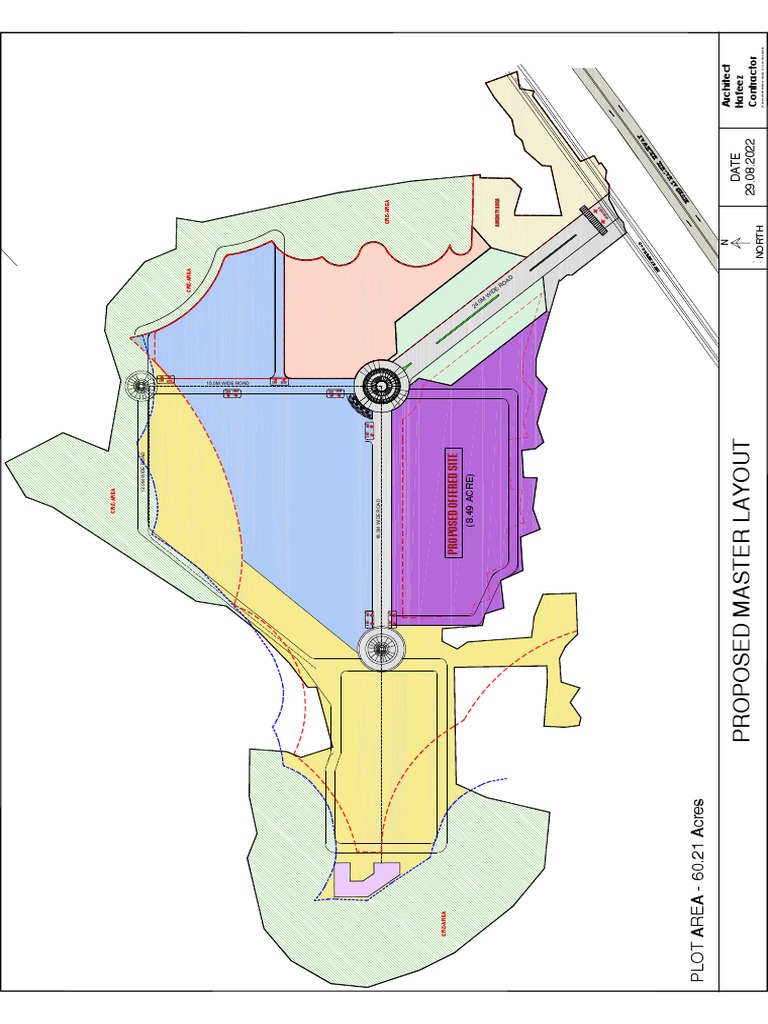
Mastering exterior layout and flow is the key to creating an outdoor environment that seamlessly blends with the interior and enhances the overall aesthetic appeal of a property. Imagine an outdoor oasis where every element, from the carefully placed shrubs to the artful arscopement of furniture, contributes to a cohesive and inviting atmosphere. This thorough guide will delve into the essential principles and strategies for achieving this ideal, addressing common design challenges and offering actionable steps to improve your exterior layout and flow.
Understanding the Fundamentals of Exterior Layout
Defining Exterior Space Planning
Exterior space planning is about strategically organizing the elements of an outdoor area to create a cohesive and functional environment. It involves considering factors such as natural light, existing vegetation, and the desired functionality of the space. By meticulously considering these elements, you can transform a bare yard into a vibrant and inviting outdoor retreat.
determineing Design Challenges
A common challenge in exterior design is the lack of a clear flow between the indoor and outdoor spaces. Sometimes, the transition feels abrupt or disconnected, failing to capitalize on the potential of outdoor living areas. Another obstacle is integrating various design elements, like walkways, patios, and landscaping, in a way that complements each other, rather than clashing. Often, designers struggle to create a harmonious blend between aesthetic appeal and practical functionality.
Addressing Common Design Issues
A crucial facet of mastering exterior layout is tackling common design problems. By proactively addressing these challenges, you can create a well-designed and aesthetically pleasing outdoor environment. This approach ensures a space that is both visually captivating and conducive to comfortable use.
Creating a Seamless Transition
effectively mastering exterior layout and flow involves seamlessly transitioning between indoor and outdoor spaces. This transition can be achieved through architectural design attributes like large windows, open-air patios, or walkways that connect seamlessly. The key is creating a visual and spatial continuity that blends the interior and exterior environments.
Balancing Aesthetics and functionality
The Importance of Proportion and Scale
Ensuring proper proportion and scale is paramount in exterior design. A space that feels cramped or overwhelmed due to mismatched proportions can detract from the overall aesthetic experience. For instance, a small patio surrounded by oversized trees or shrubs will feel less inviting and harmonious. Conversely, an expansive area might lack visual interest if furniture is too small.
Incorporating Visual Elements
achievementful design integrates visual elements that draw the eye and establish a flow. Plants, water attributes, and strategically placed seating areas can effectively direct the eye and create a sense of continuity. The right combination of visual elements adds depth, dimension, and visual interest to your design.
Creating a Sense of Harmony
Achieving harmony in exterior design involves carefully balancing visual elements to create a unified look. For example, complementary colors, consistent material choices, and appropriate lighting are essential components of a harmonious design. A coherent color palette can create a pleasing visual effect and enhance the overall cohesiveness of the space.
Integrating Modern Elements
Integrating modern design principles with existing structures or landscaping will further enhance flow. This can involve updating outdated attributes or simply introducing contemporary elements, like modern furniture or outdoor lighting.
Enhancing Exterior Space Through Landscaping
Strategic Plant Placement
Strategic placement of vegetation is crucial in exterior design. By thoughtfully selecting and positioning trees, shrubs, and flowers, you can create a sense of depth, texture, and visual interest. Consider factors such as sun exposure, plant size, and growth rate when making these decisions. Employing this plan ensures the natural beauty and visual elements complement and enhance the desired functionality and aesthetics.
Utilizing Water attributes
Integrating water attributes, such as ponds or fountains, can add serenity and visual appeal. Strategically placing these elements can define space, create a focal point, and establish a tranquil atmosphere in your outdoor environment. The gentle sounds of water can also create a calming ambiance.
Incorporating Pathways
Pathways and walkways can serve as essential connections between varied areas within the outdoor space. These elements can be functional, leading to varied parts of the yard, or purely decorative, adding visual interest and emphasizing architectural flow. They lead the eye and enhance the overall design experience.
The function of Outdoor Furniture and Lighting
Choosing Appropriate Furniture
selecting outdoor furniture that complements the overall design aesthetic is essential. Consider the style, size, and material of the furniture to ensure it harmonizes with the space. Comfortable and durable furniture is a key component of enjoying your outdoor space.
Creating Ambiance with Lighting
Strategic use of outdoor lighting is essential for creating a welcoming ambiance, especially in the evenings. Varying light intensities and types can highlight varied attributes and guide movement within the space. Proper lighting enhances safety and creates a warm and inviting atmosphere.
Maintaining Consistency
Maintaining a consistent style throughout the design ensures a cohesive look. Using the same or similar material types for furniture and other exterior components helps tie elements together and creates a unified design experience. The consistency in material choices improves the aesthetic appeal and contributes to the overall ambiance of the space.
Case Studies and Examples
achievementful Landscape Designs
Examining achievementful landscape designs can offer valuable insights and inspiration for your own projects. Analyzing these cases will highlight various design approaches and offer examples of harmonious transitions between indoor and outdoor spaces.
Implementing Specific Solutions
Implementing specific solutions, like using outdoor rugs to define varied areas, or incorporating vertical gardens to create more interest, are critical elements for a cohesive design. These solutions are simple yet impactful in enhancing the overall space and experience.
Evaluating varied Approaches
Evaluating varied design approaches and noting which facets work optimal in various contexts is crucial. This approach allows for adaptations and applications of achievementful ideas to your own situation and desired outcome.
Analyzing outcomes
Analyzing outcomes and the impact of varied approaches allows for fine-tuning your design and achieving the desired outcomes. Evaluate your decisions to ensure maximum impact and desired aesthetic experience.
How can I create a cohesive transition between my indoor and outdoor living spaces?
Cohesive transitions between indoor and outdoor living areas are achieved by employing strategies such as using similar color palettes and material choices to create a sense of continuity. Integrating large windows or open-air patios can facilitate visual connections and blend the interior and exterior environments seamlessly. This harmonious interplay fosters a balanced feel and seamless transition, enhancing the overall aesthetic experience and maximizing the enjoyment of both indoor and outdoor living spaces.
What are some cost-effective ways to improve exterior layout and flow?
Several cost-effective strategies can improve exterior layout and flow. Reorganizing existing furniture and planting can create a sense of newness without major investments. Strategic use of lighting can dramatically enhance the ambiance of the space without incurring significant costs. Careful selection of outdoor furniture can establish a cohesive aesthetic at a lower cost.
How do I select the right plants for my exterior design?
Choosing the right plants for your design involves considering factors such as the amount of sunlight your space receives and the types of plants that thrive in your climate. studying appropriate plant species for your location and consulting with landscape professionals is essential. Consider factors like plant size and growth patterns, as these factors will influence their long-term impact on the space.
What are the key elements to consider when designing a patio or deck area?
When designing a patio or deck area, factors such as the desired level of privacy, the amount of space available, and the overall aesthetic of the property should be carefully considered. These decisions will ensure that the patio is functional, safe, and visually appealing, and perfectly integrated into the surrounding landscape. functionality and aesthetic appeal go hand-in-hand. A well-designed patio or deck area will maximize outdoor living space and elevate the entire property’s appeal.
In conclusion, mastering exterior layout and flow is a crucial facet of creating visually appealing and functional outdoor spaces. By understanding the principles of balance, proportion, and harmony, homeowners and designers can maximize the potential of their properties. Implementing these strategies will lead to a more aesthetically pleasing exterior while creating a seamless transition between interior and exterior environments. This, in turn, elevates the overall value of the property. For expert guidance on these principles, consider consulting a landscape architect or designer. Don’t hesitate to experiment with varied approaches and seek inspiration from various sources, including online resources and design magazines, for a more thorough and enriching experience in enhancing your exterior layout and flow.