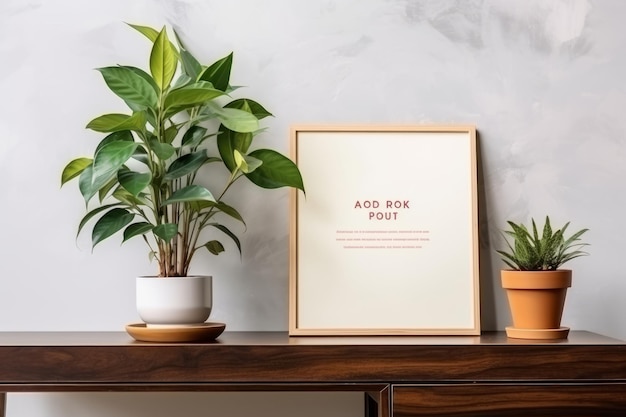
Bringing nature indoors is a popular trend transforming homes into vibrant, inviting spaces. This guide is your thorough resource for navigating the exciting world of interior plants. We’ll explore the benefits of plants for both your home and your well-being, address common concerns, and offer practical advice for selecting and caring for your indoor jungle. Specifically, we’ll address considerations for plant selection, optimal growing conditions, and simple maintenance techniques. We’ll offer actionable steps to start your green journey, along with examples to illustrate the varied approaches.
Choosing the Right Plants for Your Home
Understanding Plant Needs:
selecting the right plants for your home is crucial for their survival and your enjoyment. Consider the amount of natural light your space receives. Some plants thrive in bright, indirect light, while others prefer low-light conditions. Factors like humidity, temperature, and the specific needs of various species will determine the ideal placement for each plant. studying the specific requirements for each plant species is essential.
Plant Variety:
From leafy ferns to vibrant succulents, a diverse selection of plants can create a unique and visually appealing indoor jungle. Consider the size and shape of the plants in relation to the available space. varied plant varieties bring varied visual aesthetics to your living area. Large-scale plants can create a dramatic focal point, while smaller ones can add a touch of elegance. Explore varied styles of plant arscopements like trailing, vertical, or clustered. Consider various plant shapes, heights, colors, and patterns. The variety brings a unique flair to your decor.
Creating the Perfect Growing Environment
Light Requirements:
Lighting is critical to a plant’s health and growth. Most houseplants thrive in bright, indirect light. Position plants near windows that receive plenty of sunlight, but avoid direct sunlight, which can scorch leaves. If your home doesn’t have enough natural light, consider supplementing with grow lights. Consider varied types of grow lights and appropriate lighting duration.
Watering and Humidity:
Proper watering is essential for plant health. Overwatering can lead to root rot, while underwatering can cause wilting. Learn to monitor the soil moisture and adjust watering accordingly, understanding that varied plant species have varied watering schedules. High humidity levels are beneficial for many tropical plants; use humidity trays or other methods to boost humidity levels.
Maintaining Your Indoor Jungle
Fertilizing and Pruning:
Regular fertilization is crucial for healthy growth. Use a balanced liquid fertilizer diluted in water and apply it every few weeks during the growing season. Pruning is another crucial facet of plant care. Regular pruning can maintain the desired shape, remove dead or diseased growth, and promote new growth. Learn when to prune, and how.
Pest and Disease Control:
Be vigilant in monitoring your plants for signs of pests or diseases. Early detection and treatment are key to preventing widespread damage. Inspect plants regularly for pests and diseases, and address them promptly. Know how to determine common pests and diseases. Using natural methods can help to manage pests in a sustainable manner.
Design and Arscopement Ideas
Vertical Gardens:
Maximize space with vertical gardens, creating a cascading wall of green in your living space. These gardens are visually stunning and offer a space-saving way to bring nature indoors. Consider varied vertical garden design elements.
Plant Styling:
Create visually appealing arscopements by combining varied plant types and sizes. Consider plant heights, textures, and colors. select plants that complement the aesthetic of your home while allowing them to thrive. Examples are using various types of planters, or grouping similar types of plants in a visually appealing manner.
Tips for achievement
studying Plant Species:
Always study the specific needs of each plant species. varied plants have varied requirements, making informed decisions crucial. This is crucial for ensuring their well-being.
Monitoring Plant Health:
Regularly inspect your plants for any signs of stress, such as yellowing leaves, wilting, or pest infestations. Early detection is key to addressing issues promptly.
Examples of Effective Arscopements
Displaying Plants:
Use varied planters to create visual interest in your arscopements. Matching or contrasting planters can create a harmonious aesthetic. Display plants in hanging baskets or use tiered shelving to add visual variety.
Plant Grouping:
Consider grouping plants with similar needs together to create a micro-environment that aids them. This approach allows for simplified care by grouping species with comparable light requirements. This also enhances the aesthetics, outcomeing in eye-catching displays.
Bringing nature indoors with interior plants is a rewarding way to enhance your home’s aesthetic and well-being. This guide offerd practical steps to create a thriving indoor jungle. Remember to study the specific needs of your chosen plants and adjust your care accordingly. By implementing these tips, you can enjoy the beauty and benefits of interior plants for years to come! Consider expanding your indoor plant collection. Start with a few easy-care options and gradually add more as you gain experience. For any remaining querys, the FAQ section below offers answers.