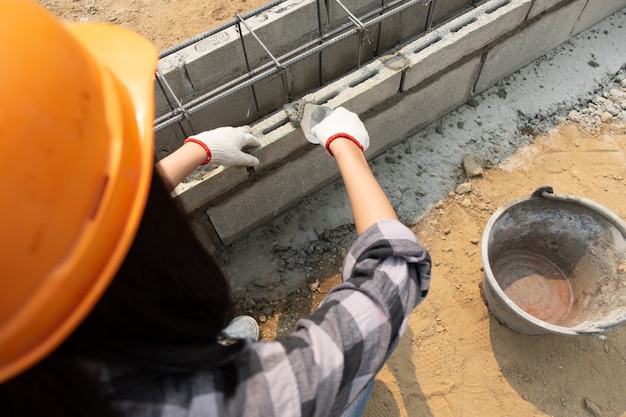
Floor leveling is a crucial process for creating a smooth and stable surface for flooring. A professionally leveled surface ensures a durable and aesthetically pleasing outcome. Many homeowners face issues with uneven floors, leading to problems like squeaking, tripping hazards, and an overall compromised aesthetic. This thorough guide will delve into the various facets of floor leveling, from understanding the varied methods to selecting the appropriate materials and assessing the potential cost. We will also explore the pros and cons of DIY versus professional floor leveling solutions. This guide will offer you with the necessary knowledge to address and resolve uneven floors in your home, or any other property.
Understanding the Importance of Floor Leveling
determineing Uneven Floor Issues
Uneven floors can present various problems, ranging from minor inconveniences to significant structural issues. Common problems associated with uneven floors include squeaking, creaking sounds, and tripping hazards. These problems can severely compromise the safety and comfort of your living space. In addition, uneven subfloors can lead to issues with the installation of new flooring materials, as they may not properly adhere or align. Uneven flooring can also affect the appearance of a room; the inconsistency can be distracting and reduce the overall aesthetic appeal. Professional floor leveling is a vital investment to address these issues and enhance the living experience. Proper leveling ensures a seamless transition between flooring materials, and minimizes the risk of tripping or falls.
Exploring varied Floor Leveling Methods
Choosing the Right Approach
The optimal floor leveling method depends largely on the severity of the unevenness and the type of flooring that will be installed. Several methods are available, from simple DIY solutions to more complex professional approaches. For minor imperfections, self-leveling compounds can be an effective and affordable option. However, for significant unevenness or complex situations, professional contractors with specialized equipment may be necessary. Concrete floor leveling is often used in commercial settings where a highly durable and seamless finish is needed. In residential settings, you might consider using other materials such as cement or epoxy, depending on the specific needs of the project.
Assessing the Cost of Floor Leveling
Budget Considerations
The cost of floor leveling varies significantly depending on several factors. The extent of the unevenness, the type of material needed, labor costs, and the complexity of the project all play a function. DIY methods, while potentially less expensive, require significant time and effort. Professional floor leveling services, while more costly, typically deliver a higher quality, faster, and more dependable outcome. It is often wise to compare quotes from multiple contractors to ensure you are receiving a fair price for the services offerd. Do thorough study to find out potential hidden costs such as disposal fees for old materials.
DIY Floor Leveling: A Step-by-Step Guide
DIY Approaches and Considerations
DIY floor leveling can be a viable option for minor imperfections. However, for significant issues, professional assistance is often recommended. Using self-leveling compounds is a common DIY approach for minor irregularities in subfloors. Follow the manufacturer’s instructions carefully, and ensure proper preparation of the surface before application. DIY leveling projects require attention to detail, patience, and careful monitoring to ensure even outcomes. Poor preparation can lead to a suboptimal outcome, which might need further corrective measures.
Professional Floor Leveling Services
Choosing a Reputable Contractor
Professional floor leveling services offer a more reliable approach to addressing major unevenness or complex situations. When hiring a contractor, carefully study and select a reputable company with experience in various leveling techniques and flooring types. Check for certifications, licenses, and insurance coverage to ensure a safe and trustworthy process. Ask for references from previous clients to gauge the contractor’s reputation and the quality of their work. Be sure to thoroughly discuss the scope of work and the estimated cost.
How long does the floor leveling process typically take?
The duration of the floor leveling process depends on factors such as the size of the area to be leveled, the extent of unevenness, and the chosen method. DIY projects can take several hours or days, and professional services can scope from a few days to a week, depending on the project complexity. Clear communication with the contractor about the timeline is crucial to managing expectations and scheduling.
Is floor leveling necessary for all types of flooring?
Floor leveling is typically recommended but not always necessary for all types of flooring. For some flooring types, like hardwood or tile, a smooth and level subfloor is crucial to ensure a proper and lasting installation. While carpet might not be as sensitive to slight irregularities, a properly leveled surface will reduce the potential for future problems.
What are the benefits of choosing professional floor leveling services?
Professionals have the expertise, experience, and specialized equipment to handle various floor leveling situations effectively. Professional services often deliver a more reliable and consistent outcome, which can save you time and money in the long run. They can quickly assess the issue and implement the appropriate solutions, thereby avoiding costly errors.
In conclusion, achieving a smooth floor surface through floor leveling is a worthwhile investment for any homeowner. It improves the aesthetics, functionality, and value of your property. By understanding the various floor leveling methods, choosing the right materials, and ensuring proper installation, you can significantly enhance your home’s livability. Remember to consider your budget, the type of flooring, and the specific conditions of your space. Contact a reputable flooring contractor for a professional assessment and quote. They can help you select the optimal floor leveling solution for your needs and budget.